

| Category | Urinary Stone Disease |
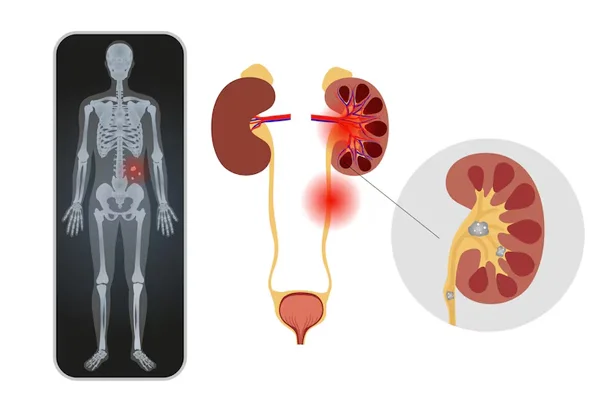
Urinary stone disease occurs when minerals and salts present in urine crystallize and form hard deposits within the kidneys, ureters, bladder, or urethra. Factors such as dehydration, dietary habits, metabolic disorders, and recurrent urinary infections can increase the concentration of these minerals, leading to stone formation. Patients may experience severe flank pain, blood in urine, nausea, vomiting, burning during urination, or frequent urinary urges.
Early diagnosis using ultrasound, X-ray, or CT scan helps determine the stone’s size, location, and composition. Treatment depends on these factors and may range from medical management to advanced minimally invasive techniques such as endoscopic and laser-based procedures. Adequate hydration, dietary modifications, and medications help prevent recurrence. With modern urological care and minimally invasive techniques, most stones can be treated effectively without open surgery, ensuring faster recovery, minimal discomfort, and quicker return to daily activities.


